A Parent's Guide to Meeting Infant Passport Photo Requirements in 2026
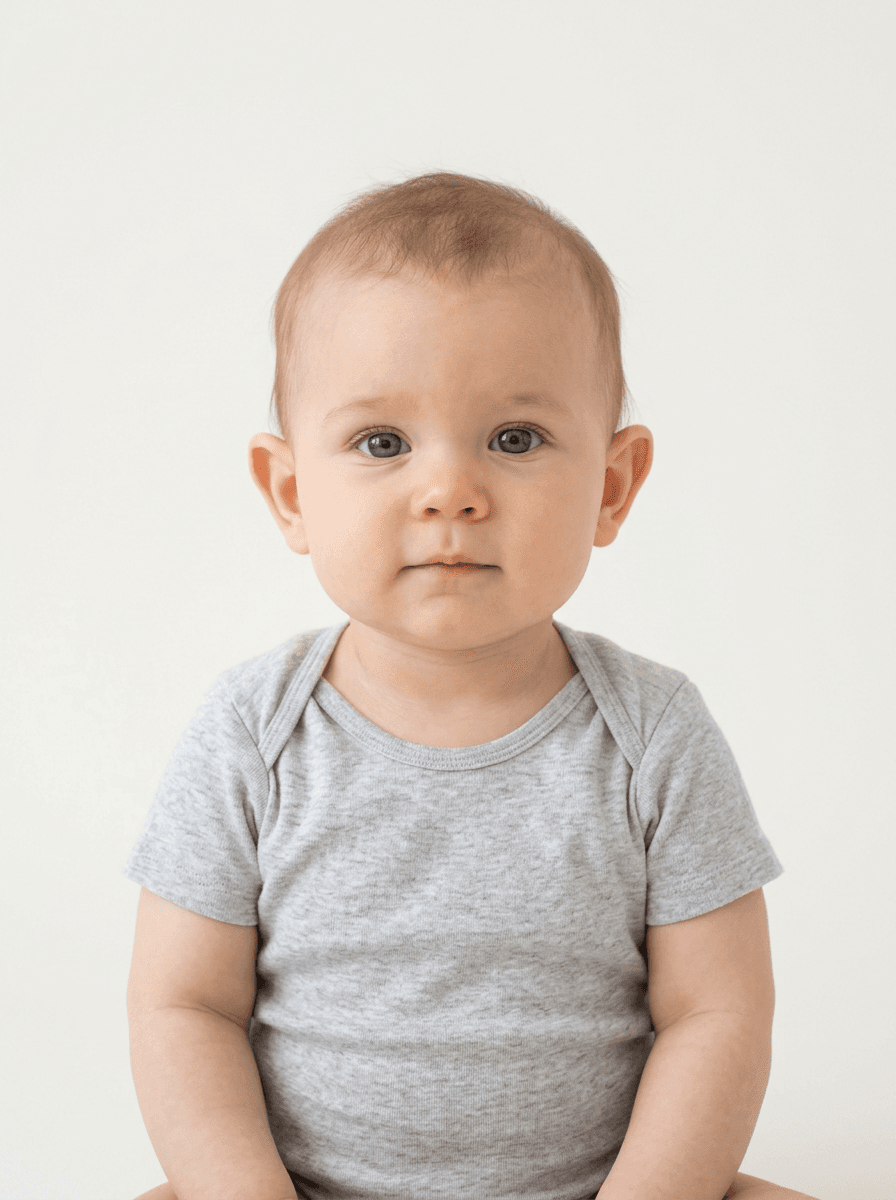
Capturing a suitable image for a baby's travel documentation can be a significant challenge for parents, as government agencies enforce strict standards that remain unforgiving when it comes to subjects who cannot hold still or follow instructions. Understanding infant passport photo requirements is the first step in ensuring your application is not delayed or rejected due to a non-compliant image. By adhering to specific technical and practical standards, you can successfully navigate the process at home.
Quick Summary
Meeting infant passport photo requirements involves ensuring the image features a clear, neutral expression, uniform lighting, and a plain light background without shadows. Parents must capture the child facing the camera directly, eyes open, without obstructions or supporting hands visible in the final frame.
- Use a plain light grey or cream background.
- Ensure even, shadow-free lighting on the face.
- Avoid having hands or other people in the shot.
- Check specific head-to-chin size ratios for your target country.
Table of Contents
- Understanding Infant Passport Photo Requirements
- Preparing for New Born Passport Photos
- Adhering to Passport Photo Clothing Requirements
- Common Pitfalls & Troubleshooting
- Frequently Asked Questions
- Recommended Reads
Understanding Infant Passport Photo Requirements
Government agencies worldwide apply the same biometric standards to infants as they do to adults, despite the obvious physical limitations of the subject. A compliant photo must be high-resolution, sharp, and free from digital alteration. The most critical component is the orientation of the baby's head; it must be square to the camera, with the eyes clearly visible and looking towards the lens. While a completely neutral expression is not strictly enforced for infants under one year, any mouth-open or tongue-out expressions should be avoided if possible.
To ensure your submission meets these rigorous standards, it is helpful to consult an official passport photo guide before beginning. The background must be plain, light-coloured, and free from any textures or patterns. Shadows are a frequent cause of rejection, particularly shadows cast on the background behind the infant or across the child’s face. Achieving even illumination often requires placing the infant in a naturally lit room, avoiding harsh direct sunlight that could cause squinting or uneven highlights.
Preparing for New Born Passport Photos
Capturing high-quality new born passport photos requires patience and the right environment. Laying the infant on a plain, light-coloured sheet on a flat surface is often the most effective method. Ensure the baby is lying comfortably on their back and position yourself directly above them to capture a bird's-eye view. This positioning helps maintain the required head-on alignment and makes it easier to keep the infant still.
If you find yourself struggling with the technical aspects of framing or lighting, you can explore the official privacy policy or terms of service of reputable digital tools to see how they handle automated background removal and cropping. When photographing, try to catch the baby when they are well-rested and alert. If the baby is fussy, do not hesitate to take a break; a calm infant is significantly easier to photograph in accordance with strict government guidelines.
Pro Tip: If the baby cannot sit up unaided, use a car seat covered with a plain white or light-grey sheet, ensuring no buckles, straps, or parts of the chair are visible in the final image.
Adhering to Passport Photo Clothing Requirements
Navigating passport photo clothing requirements is generally straightforward for infants, but there are specific nuances to remember. Avoid white clothing, as it can blend into the mandatory light-coloured background. Instead, opt for a solid, dark or contrasting colour that defines the baby's shape against the backdrop. Avoid hats, headbands, or large hair accessories, as these are typically prohibited unless worn for medical or religious reasons, and even then, they must not obscure the face.
It is also essential to ensure that any items of clothing do not obscure the child's neck or chin line. When selecting an outfit, consider how it will look in a close-up portrait. Keep patterns to a minimum and avoid reflective materials or sequins, which can catch the light and trigger an automatic rejection during the verification process. For further assistance with specific image formatting, you may review the frequently asked questions to clarify any lingering doubts.
Common Pitfalls & Troubleshooting {#common-pitfalls-&troubleshooting}
One of the most common reasons for rejected applications is the presence of supporting hands or parents in the frame. Even a small finger holding the baby's head or a parent's shoulder visible in the corner will result in an immediate rejection. Use a high-quality camera and take multiple shots; digital photos allow you to select the best one without the cost of repeated studio visits.
Another frequent issue is glare on the skin or eyes. If the flash is used, it must be diffused to prevent red-eye or harsh white spots on the face. If you find your photos are consistently failing, review the contact information for your specific document issuer or look into professional-grade biometric photo software that can provide a digital check against common failure points like shadows and head tilt.
Frequently Asked Questions
Do newborns have to have a neutral expression for passport photos?
While adults must have a neutral expression, government authorities are more lenient with infants. A small smile or a slightly open mouth is usually acceptable, provided the eyes are open and looking towards the camera.
What should I do if my baby won't keep their eyes open?
If your infant is sleepy, wait until they have finished a nap and are naturally alert. Do not use force to keep their eyes open, as this will result in a strained or unnatural expression, which is a common ground for rejection.
Can I wear white to hold my baby while taking the photo?
No, you must not be in the photo at all. Any part of a parent, including their clothing or hands, will cause the application to be rejected. The photo must show the infant alone.
Are there specific rules for background colours?
Yes, almost all governments require a plain, light-coloured background, typically white, off-white, or light grey. Ensure there are no patterns, shadows, or textures on the backdrop.