Essential Passport Photo Size Guidelines for Europe
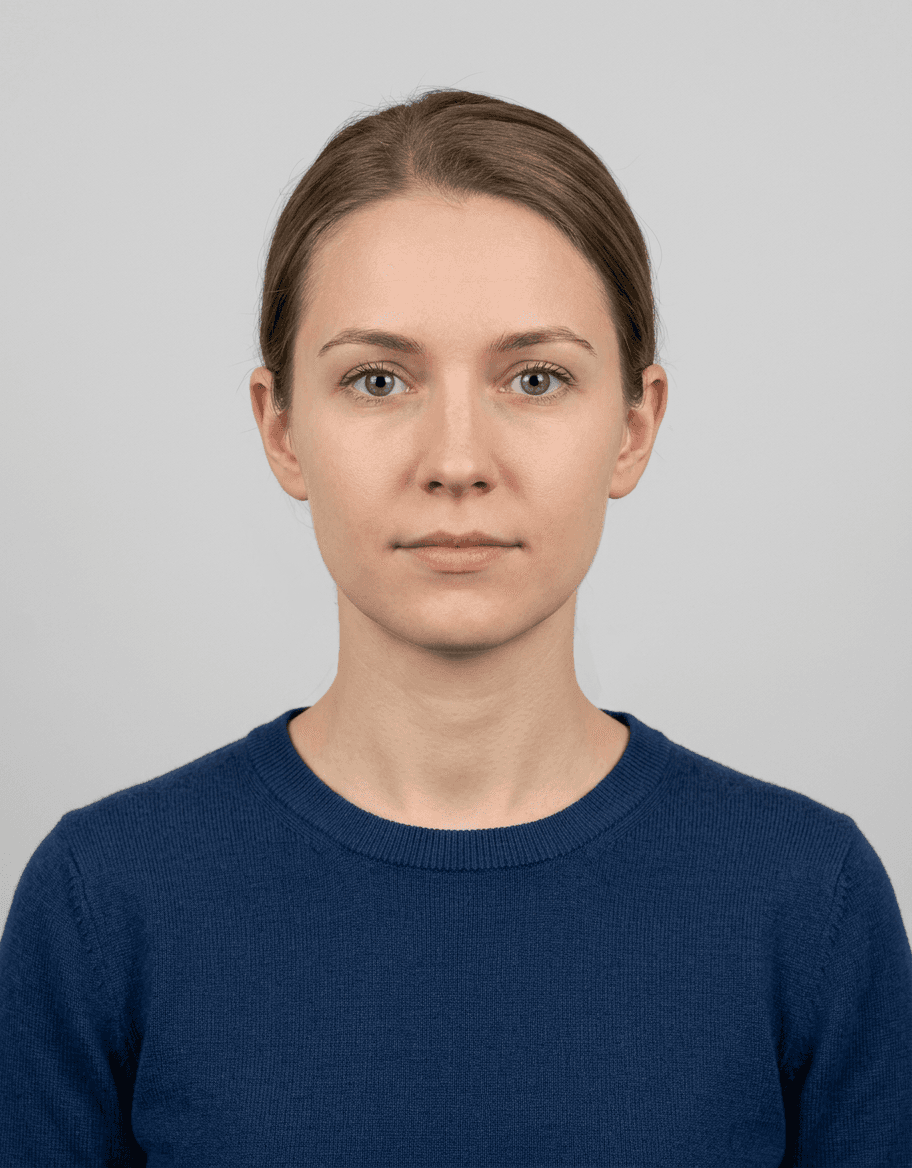
Ensuring your documentation meets exact regulatory standards is critical when traveling or applying for identification documents across the continent. Navigating the specific european passport photo size requirements is essential, as even minor deviations in dimension, lighting, or background contrast can lead to the rejection of your application. While many countries follow the International Civil Aviation Organization (ICAO) standards, specific nuances exist between jurisdictions that you must master before capturing your image.
Resumen Rápido
The standard european passport photo size is 35mm x 45mm, generally requiring a neutral facial expression, clear focus, and a plain light-grey or white background. While universal standards exist, applicants must verify local requirements to ensure compliance with specific biometric capture protocols used by immigration authorities.
- Standard dimensions are typically 35mm wide by 45mm high.
- Faces must occupy 70-80% of the image height.
- Backgrounds must be uniform, light-colored, and shadow-free.
- Head coverings are prohibited except for verified religious or medical reasons.
Table of Contents
- Standardizing European Passport Photo Requirements
- Analyzing Passport Photo Size Germany and Spain
- Technical Specifications for Ireland Passport Photo Size
- Biometric Compliance and Facial Geometry
- Common Pitfalls in Passport Photography
- Comparative Analysis of European Standards
- [Preguntas Frecuentes {#preguntas-frecuentes}>
- [Recommended Reads {#recommended-reads}>

Standardizing European Passport Photo Requirements
The European Union and surrounding nations largely adhere to the ICAO biometric standards. This framework ensures that facial recognition software can accurately map landmarks like the distance between the eyes, the chin, and the hairline. When you consult a professional passport photo guide for assistance, you will notice that the core requirement is consistency across all member states.
Beyond simple dimensions, the lighting environment is a non-negotiable factor. The photograph must be free of glare or shadows that obscure facial features or alter skin tone. Most authorities mandate that your eyes remain open and clearly visible, without reflections from eyeglasses or heavy frames that could trigger a rejection from automated processing systems.
Analyzing Passport Photo Size Germany and Spain
When evaluating the passport photo size Germany demands, you are looking at the standard 35mm x 45mm format. However, German authorities are particularly stringent regarding the "biometric" nature of the photo. The subject must face the camera directly, and the background must be a neutral, light-grey tone to create maximum contrast with the subject's hair and skin.
Similarly, the passport photo size Spain follows the same 35mm x 45mm conventions. In Spain, the emphasis is placed on the clarity of the facial features. If you are preparing your application, it is wise to review the privacy policy and security standards for how your image data is handled during the submission process. Whether you are in Madrid or Berlin, the expectation is a professional, high-resolution image that does not rely on digital filters.
Technical Specifications for Ireland Passport Photo Size
The ireland passport photo size also adheres to the standard 35mm width and 45mm height. Irish authorities often recommend that applicants ensure the top of the head is approximately 5mm from the top edge of the photo. This extra breathing room ensures that no facial landmarks are cropped out during the digital scanning phase at the passport office.
Pro Tip: When taking your photo at home, use a tripod or a stable surface to avoid motion blur. If you are unsure about your results, utilize professional passport photo maker services to verify your image against these specific technical templates before printing.
Biometric Compliance and Facial Geometry
Biometric compliance involves more than just size. The "European passport photo size" is a vessel for specific geometric ratios. Your eyes should be positioned horizontally at a specific height in the frame, and your head size should remain constant. If the facial region occupies less than 70% or more than 80% of the image, the software may flag the photo for human review, significantly delaying your application.
Maintaining a neutral expression is essential. This means a closed-mouth look without excessive smiling. The goal is for the image to represent your physical appearance as it would appear under standard surveillance conditions. If you experience issues during your application, you can always contact support to clarify specific requirements for your region.
Common Pitfalls in Passport Photography
One of the most frequent reasons for rejection is inconsistent lighting. Many amateurs use a direct flash, which causes "red-eye" or harsh shadows behind the ears and neck. Always utilize diffused, front-facing lighting to flatten the shadows and highlight the natural contours of the face.
Another pitfall is the use of non-neutral backgrounds. Avoid wall textures, patterns, or items that might distract the software. If you have any doubts about your specific situation, review the terms of service associated with the software you are using to process your photos to ensure the output is compliant.
Comparative Analysis of European Standards
| Country | Dimensions | Background | Notable Requirement |
|---|---|---|---|
| Germany | 35mm x 45mm | Light Grey | High biometric contrast |
| Spain | 35mm x 45mm | White/Off-White | Natural skin tone required |
| Ireland | 35mm x 45mm | White/Light Grey | Specific head-to-margin ratio |
Preguntas Frecuentes
Can I wear glasses in my passport photo?
Generally, yes, provided there is no glare on the lenses and the frames do not obscure your eyes. However, it is safer to remove them to avoid potential rejection.
Does the background color vary by country?
Most of Europe prefers light grey or white. Always check if the specific consulate requires one over the other, as this can vary by region.
Can I use a digital photo taken with a smartphone?
Yes, as long as the resolution is high, the lighting is professional, and you use a tool to crop the image to the exact 35mm x 45mm specification.
What happens if my photo is rejected?
You will be notified by the passport office. They may request a new image that meets their technical standards, which can delay the issuance of your document.