Understanding German Passport Photo Requirements
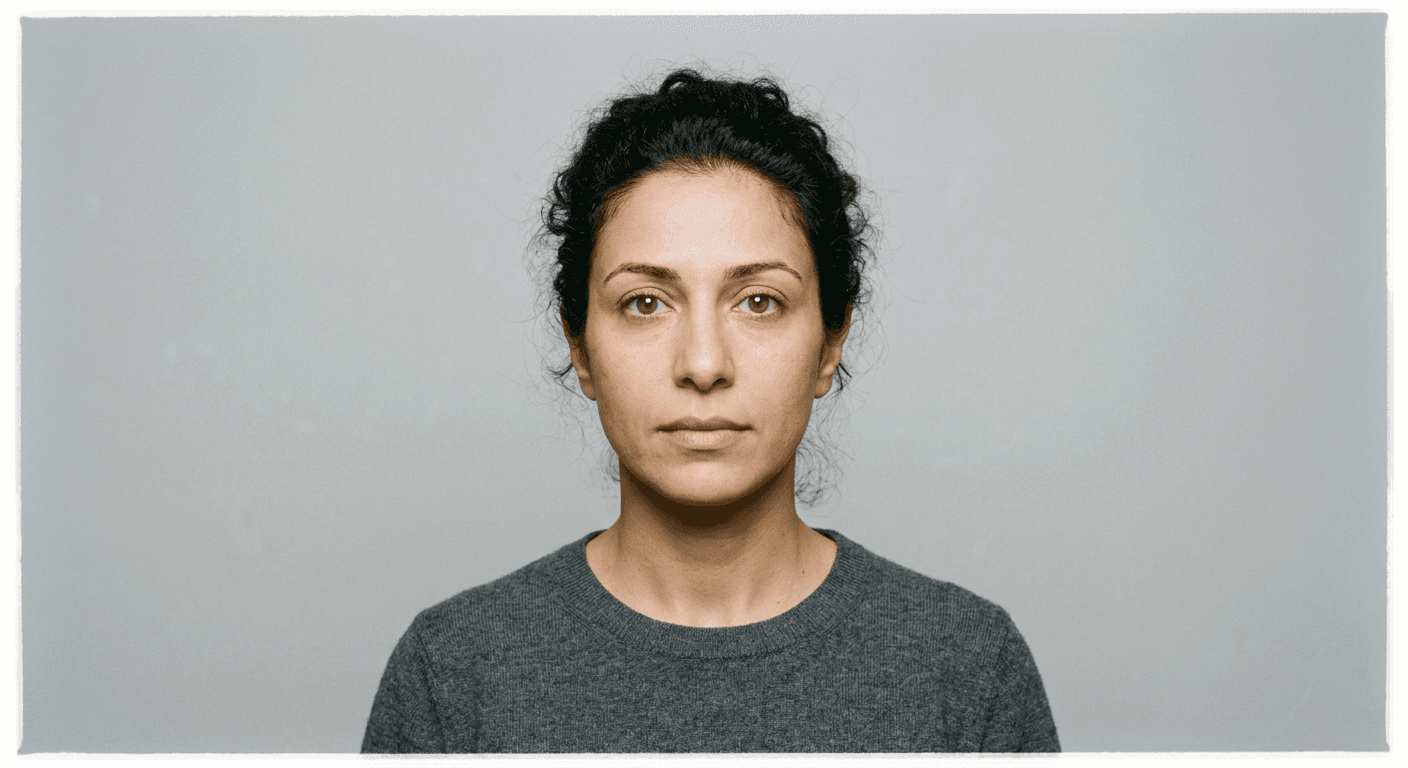
Navigating the complexities of international travel documentation often leads to confusion regarding specific country mandates, particularly when considering germany passport photo requirements. While many international standards for identity photographs appear uniform, the German authorities enforce a rigorous set of biometric specifications that differ significantly from standard high-street snapshots. Ensuring compliance with these technical parameters is essential to avoid application delays or outright rejection by the Federal Foreign Office or local consular authorities.
Quick Summary
German passport photo requirements mandate a strict biometric format featuring a neutral expression, even lighting, and precise dimensions of 35mm by 45mm. The subject must maintain a direct gaze, with a clear, light-coloured background, ensuring no shadows or obstructions obscure the face.
- Strict biometric compliance for facial alignment and expression.
- Standard dimensions of 35mm width by 45mm height.
- Uniform, neutral light-grey or white background required.
- No head coverings or glasses that distort facial recognition.
Table of Contents
- Biometric standards and facial alignment
- Dimensions and formatting specifications
- Lighting and background mandates
- Comparing German and UK standards
- Common pitfalls and technical errors
- Frequently Asked Questions
- Recommended Reads

Biometric standards and facial alignment
Germany adheres strictly to the International Civil Aviation Organisation (ICAO) standards for biometric travel documents. This means that the face must be captured in full frontal view, with the head positioned centrally within the frame. Unlike casual photography, the subject's expression must be strictly neutral - the mouth must be closed, and the eyes must be looking directly into the camera lens. Any deviation, such as a slight smile or a tilted head, can trigger an automated rejection by the biometric scanning software used by immigration officials.
Furthermore, the physical state of the subject is closely scrutinised. Hair must not obscure the facial features, specifically the eyes and the outline of the face. For those who wear glasses, the frames must not cover the eyes or produce reflections. Often, it is safer to remove glasses entirely to avoid issues with glare, which is a common reason for application failure. You can consult the passport photo guide to ensure your positioning meets the necessary biometric thresholds before submitting your application.
Dimensions and formatting specifications
The standard passport size photo for a German travel document is 35mm by 45mm. While these dimensions are shared with several other nations, the internal ratio is critical. The face, measured from the bottom of the chin to the crown of the head (not the top of the hair), must occupy between 32mm and 36mm of the vertical height. This ensures that the biometric analysis software can map the distance between eyes, nose, and mouth with the required accuracy.
Precision is paramount when preparing these images. If you are using digital tools, ensure the resolution is high enough to avoid pixelation, as grainy images fail to pass the automated verification processes. For those needing professional assistance to navigate these technical complexities, reviewing the about section of our service can provide clarity on how we maintain these exact standards.
Lighting and background mandates
Germany mandates that the background must be neutral, typically a uniform light grey, to provide sufficient contrast with the face and hair. Shadows are strictly prohibited. This includes shadows on the background itself, as well as shadows cast on the subject’s face by direct lighting. A professional setup typically employs soft, diffused lighting from both sides to ensure the face is illuminated evenly without creating harsh highlights or dark spots under the eyes or nose.
Lighting should mimic natural, daylight conditions to maintain true-to-life skin tones. Using a flash directly can often lead to 'red-eye' or harsh contrast, which violates the strict passport photo requirements. Always aim for a setup where the light is balanced and the background is completely free of patterns, textures, or objects. If you encounter difficulty in achieving this balance, our contact page offers resources to help clarify your technical setup.
Comparing German and UK standards
While passport photo rules UK and German regulations overlap significantly, subtle differences exist. UK passports often permit a wider range of background colours, provided they are plain, whereas German authorities are distinctly specific about the light-grey requirement. Furthermore, while the UK allows for slightly more relaxed facial expressions in some contexts, Germany's commitment to biometric precision leaves no room for non-neutral facial positions.
Comparison Table
| Feature | German Requirement | UK Requirement |
|---|---|---|
| Dimensions | 35mm x 45mm | 35mm x 45mm |
| Expression | Strictly neutral | Neutral (minor variance) |
| Background | Uniform light-grey | Plain cream or light-grey |
| Face Size | 32mm - 36mm | 29mm - 34mm |
Pro Tip: When in doubt, always aim for the more restrictive standard. By meeting the stringent German biometric requirements, your photograph will almost certainly satisfy the criteria for most other jurisdictions as well.
Common pitfalls and technical errors
The most frequent cause of rejected applications remains poor-quality digital prints or incorrect facial sizing. Many applicants assume that cropping a standard photo will suffice, but this often leads to the loss of the required 70-80% face-to-frame ratio. Additionally, low-quality home printers can introduce artefacts that disqualify an otherwise perfect image.
Another frequent oversight involves clothing. While there is no specific dress code, wearing clothing that blends into the light-grey background can cause the biometric system to struggle with silhouette definition. Always wear contrasting attire to ensure the head and shoulders are clearly distinguishable. It is advisable to review the terms of service for any digital image processing to understand the standard of print quality expected by governmental bodies.
Frequently Asked Questions
Can I wear head coverings in a German passport photo? Generally, no. Head coverings are only permitted for religious or medical reasons, and even then, the entire face from the chin to the forehead must be fully visible without shadows.
Do I need a signature on the back of the photo? German passport applications typically do not require the photo to be countersigned, but you should always check the latest application form for any specific instruction updates provided by your local consulate.
Can I use a selfie for my German passport application? Professional-grade equipment is strongly recommended. Selfies rarely meet the precise lighting and distance requirements needed for biometric verification, significantly increasing the risk of rejection.
Are digital photos acceptable? Yes, many German missions now accept digital uploads, but they must meet the exact pixel dimensions and metadata standards specified by the application portal.